

Dubai defies global headwinds as business leaders double down on confidence
Diversified growth model supports stability amid global uncertainty
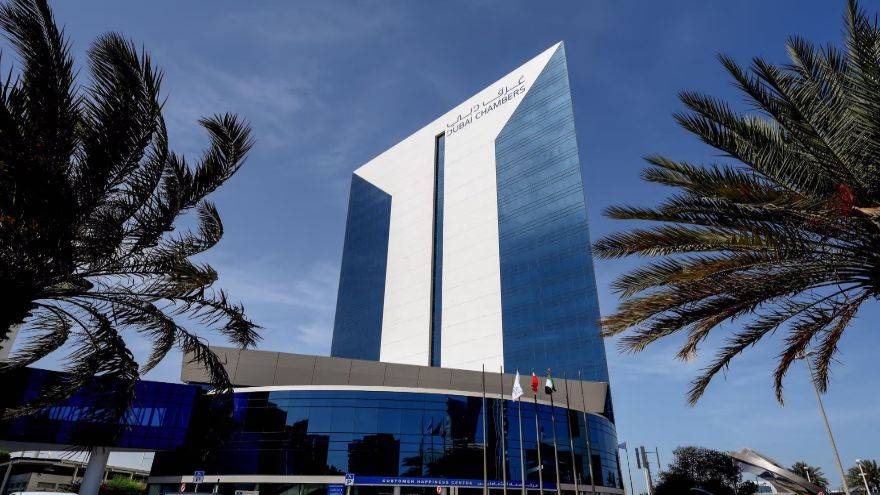
DUBAI – Dubai’s position as a global economic powerhouse continues to strengthen as business council leaders reaffirm the emirate’s resilience and investor appeal amid ongoing international developments.
Chairpersons representing diverse global business communities operating under the Dubai Chamber of Commerce have pointed to the emirate’s robust economic framework, proactive governance, and strong institutional readiness as key factors sustaining confidence among investors and businesses worldwide.
These leaders highlighted that Dubai’s integrated economic model combines forward-looking leadership with agile policymaking, enabling the emirate to navigate global uncertainties while maintaining growth momentum. They also emphasised that effective communication from government entities, along with ongoing engagement with businesses, plays a central role in maintaining trust and transparency. This approach ensures continuity across sectors and reinforces Dubai’s status as a leading hub for global trade, investment, and innovation.
Economic strength
Business council leaders consistently pointed to Dubai’s diversified economy as a major pillar of its resilience. The emirate’s ability to sustain activity across sectors such as trade, logistics, finance, tourism, and technology has allowed it to remain stable even during periods of global disruption.
Siddharth Balachandran, Chairman of the Indian Business & Professional Council in Dubai, described the emirate’s economic resilience as the outcome of a long-term vision combined with high efficiency in execution. He noted that Dubai provides clarity in its objectives while ensuring policies are implemented effectively, supporting both stability and sustainable growth.
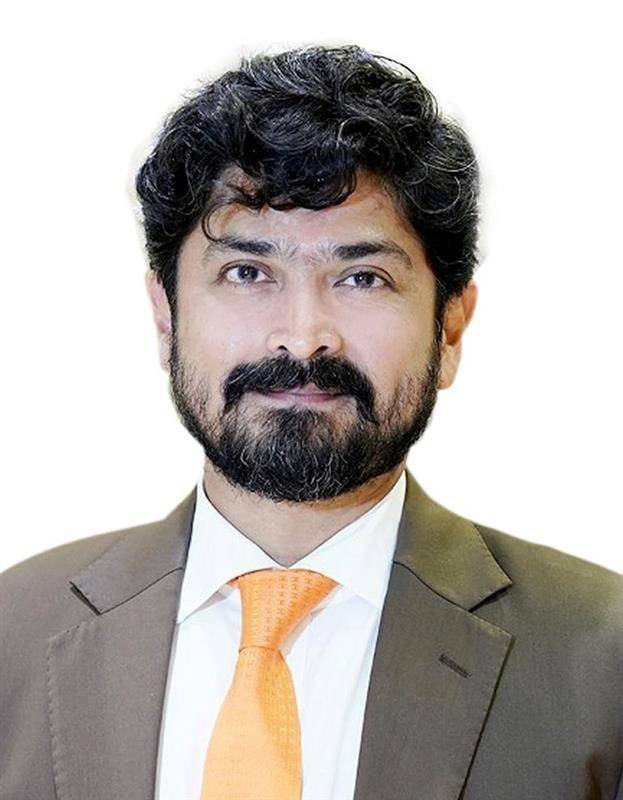
Balachandran highlighted that investor confidence remains strong, citing continued investment activity within the financial sector. He explained that Dubai’s regulatory environment, particularly within financial hubs such as the Dubai International Financial Centre, offers a secure and efficient platform for high-value transactions and long-term investments.
He further stressed that Dubai’s approach extends beyond policymaking to include continuous monitoring and refinement of implementation processes. This ensures that economic strategies remain responsive and aligned with evolving global conditions, strengthening trust among investors and the broader business community.
The emirate’s development, he added, is underpinned by values such as tolerance, inclusivity, and readiness, which contribute to a cohesive society and support economic participation across all segments. This inclusive model reinforces Dubai’s ability to sustain growth while maintaining social stability.
Policy efficiency
Leaders also highlighted the efficiency of Dubai’s governance model, noting that the ability to implement policies swiftly and effectively is a defining characteristic of the emirate’s economic success.
Katy Keenan, CEO of the British Chamber of Commerce Dubai, underscored the importance of sector-specific business groups operating under the Dubai Chamber of Commerce. These groups provide a structured platform for businesses to communicate their concerns and insights, contributing to more informed policymaking.
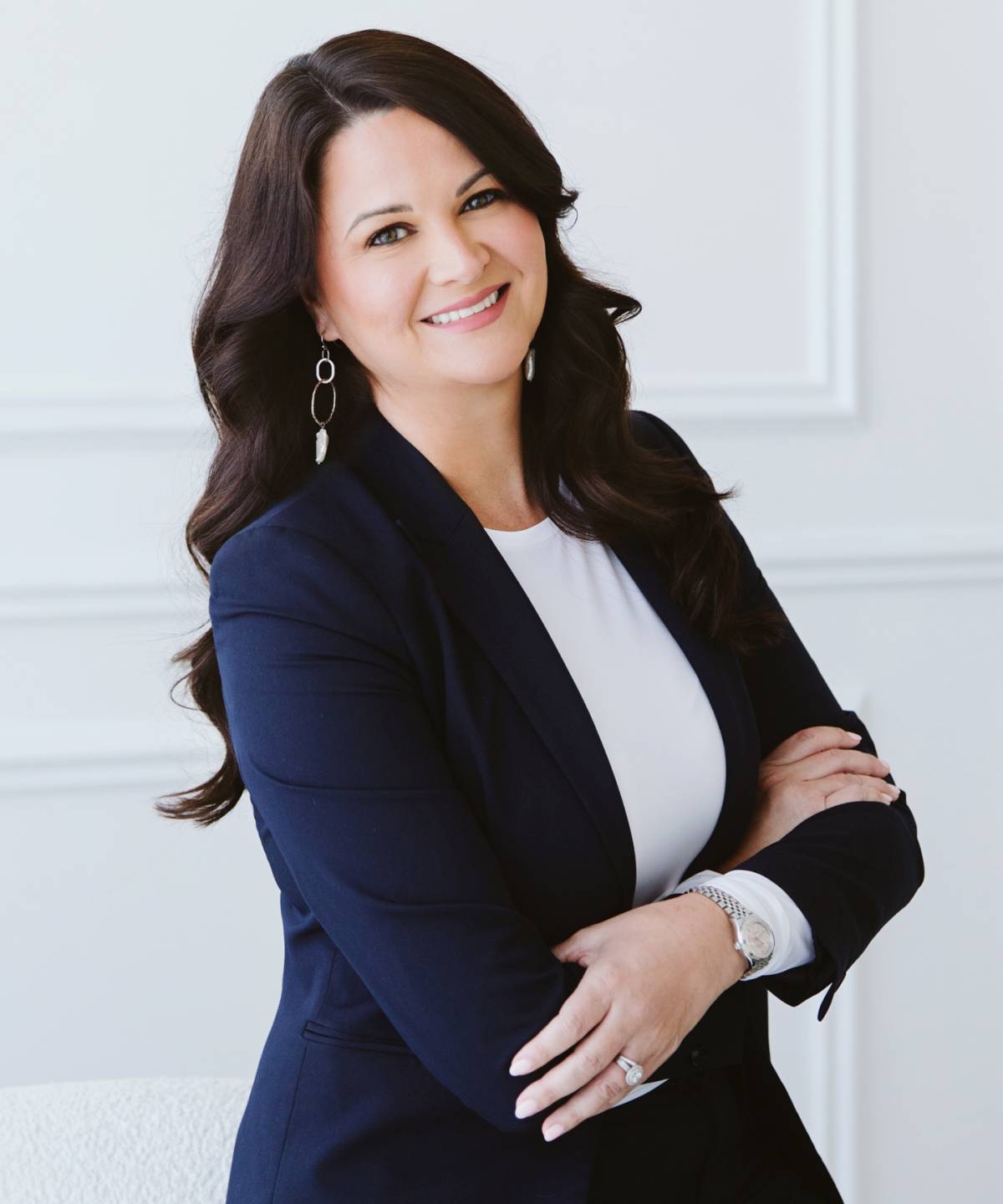
She noted that Dubai’s global network, supported by international offices and country-specific councils, enhances the flow of information between businesses and government entities. This network plays a crucial role in refining economic strategies and ensuring that policies remain aligned with market realities.
Keenan also highlighted the importance of maintaining investment in infrastructure and attracting steady foreign direct investment to sustain growth. She pointed out that Dubai’s established trade relationships and global connectivity provide a strong foundation for continued economic expansion, even during challenging periods.
Clear communication during times of uncertainty was identified as another key strength. The government’s approach to providing timely and transparent updates, coupled with feedback mechanisms such as business surveys, ensures that companies remain informed and able to adapt their strategies effectively.
Dubai’s handling of the Covid-19 pandemic was cited as a prime example of this approach in action. Early engagement with the business community and coordinated responses across sectors enabled the emirate to mitigate the impact of the crisis and recover quickly, reinforcing its reputation for resilience.
Global confidence
From a global perspective, business leaders emphasised that Dubai continues to offer a stable and dynamic environment for international companies seeking growth opportunities.
Kanat Kutluk, Chairman of the Turkish Business Council, noted that Dubai’s economic model is built on diversification and openness to trade and investment. He highlighted the emirate’s ability to maintain strong economic momentum while adapting to global changes, positioning it as a reliable destination for businesses worldwide.
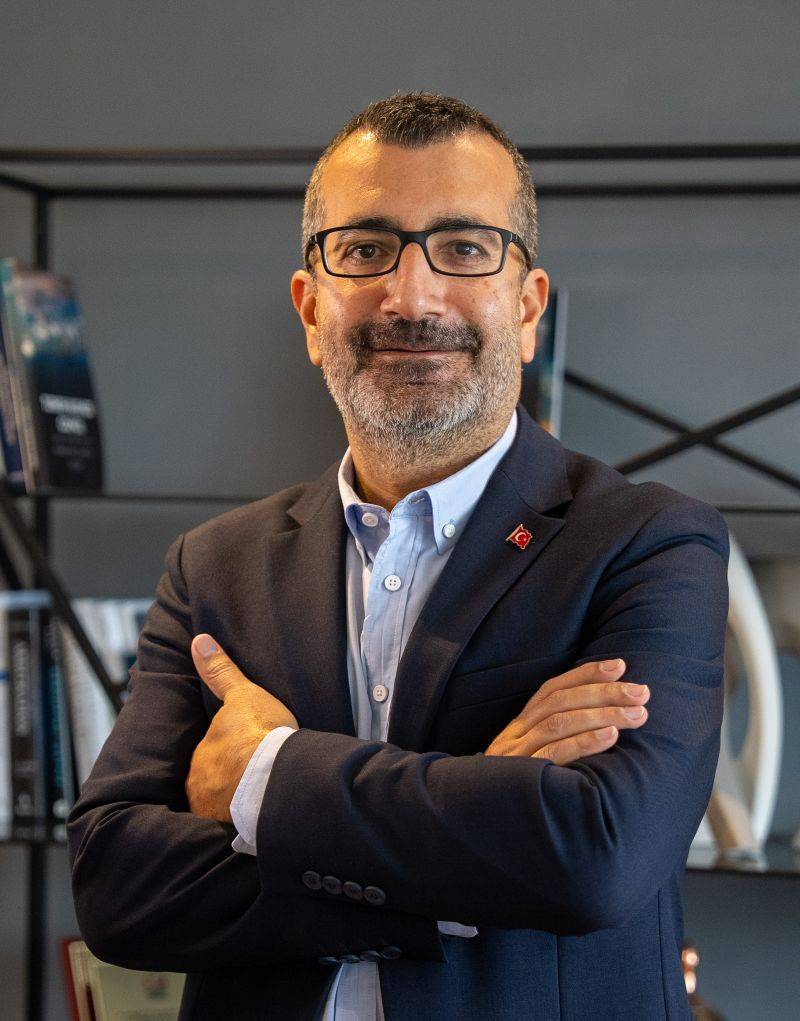
Kutluk pointed to the continued expansion of trade and investment ties between the UAE and Türkiye as evidence of Dubai’s resilience. He explained that the emirate’s strategic policies, combined with world-class infrastructure and efficient regulatory frameworks, enable businesses to operate with agility and confidence.
The close collaboration between the public and private sectors was identified as a critical factor in this success. This partnership fosters a business ecosystem based on trust and transparency, encouraging dialogue and facilitating investment flows.
For international business councils, this environment provides a valuable platform to engage with policymakers, contribute to economic development, and expand cross-border partnerships. As a result, Dubai continues to strengthen its role as a global hub for trade, entrepreneurship, and innovation.
Sector stability
Business leaders also highlighted the stability of key economic sectors, noting that Dubai has maintained operational continuity even during periods of uncertainty.
Peggy Scherpenberg, Chairwoman of the Belgian Business Council, pointed out that sectors including logistics, finance, hospitality, and advanced manufacturing have continued to function effectively despite global challenges. This resilience reflects the emirate’s diversified economic structure and strong institutional support.
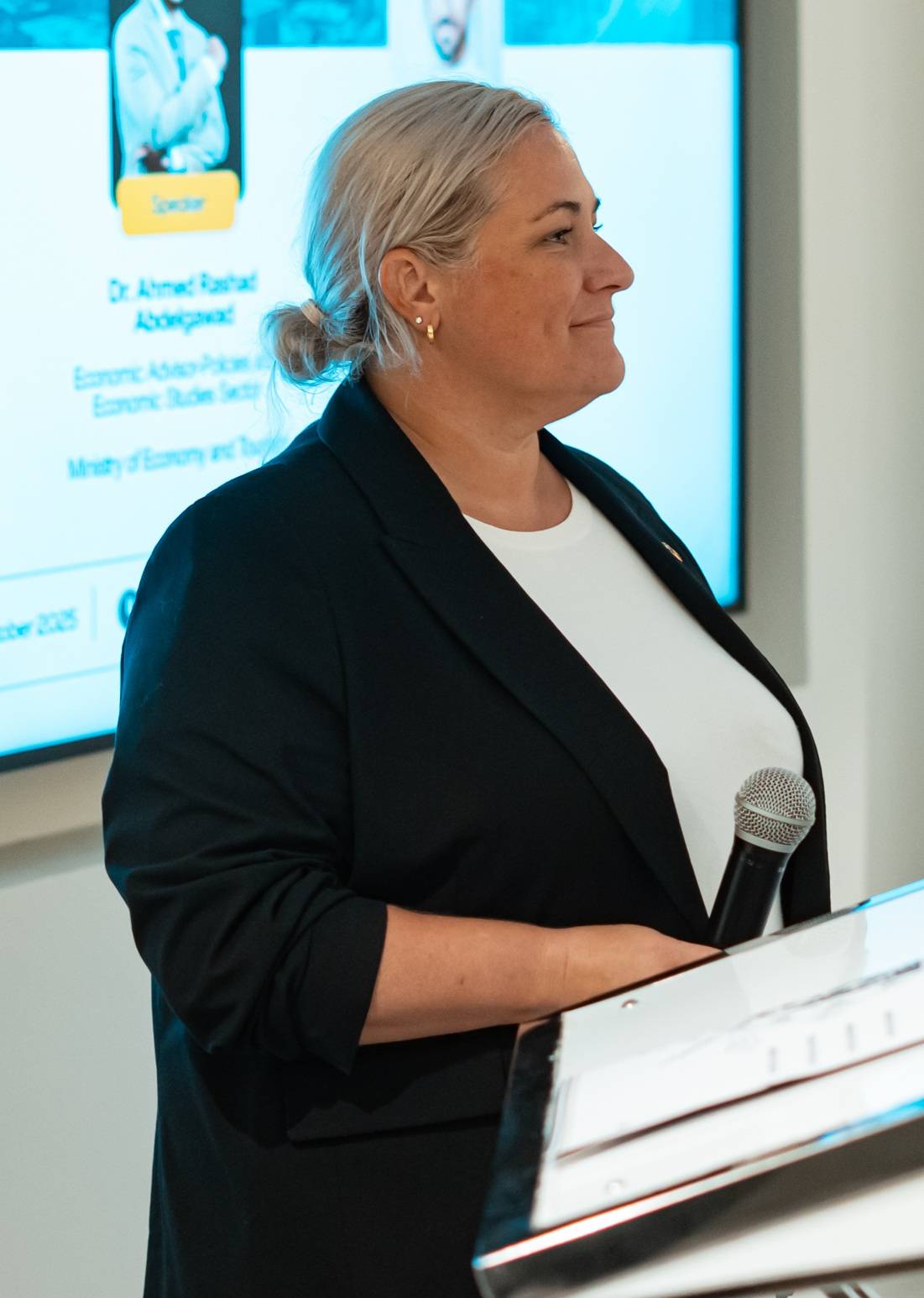
She cited the rapid restoration of operations by Emirates as an example of Dubai’s ability to adapt quickly to changing circumstances. The airline’s swift return to near-full capacity once conditions stabilised demonstrated the efficiency and responsiveness of the emirate’s infrastructure and regulatory systems.
Scherpenberg also emphasised the importance of transparent communication from government entities, which enables businesses to plan effectively and maintain confidence during uncertain times. This clarity, combined with swift decision-making, ensures that both companies and residents remain well-informed.
The strength of Dubai’s economic foundations, she noted, has allowed it to consistently recover from global challenges and exceed previous growth levels. This track record continues to shape positive perceptions among international investors and reinforces the emirate’s reputation as a reliable business destination.
Strategic vision
Leaders across business councils consistently highlighted the role of visionary leadership in driving Dubai’s economic resilience and long-term growth.
Fahmy Ansara Dahalan, Chairman of the Malaysian Business Council UAE, pointed to the clarity of Dubai’s strategic vision and its commitment to continuously upgrading policies, systems, and infrastructure. This forward-looking approach ensures that the emirate remains aligned with global trends and emerging opportunities.
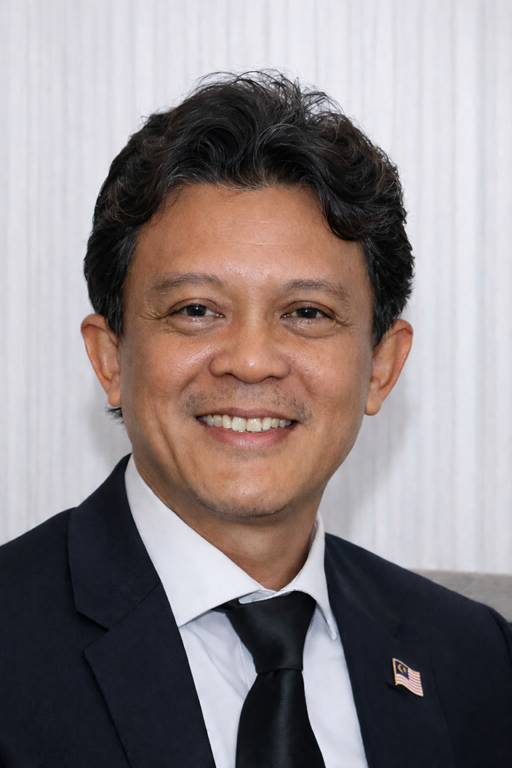
He noted that the UAE’s emphasis on safety, preparedness, and proactive governance provides reassurance to both residents and businesses. This stability is a key factor in sustaining investor confidence and supporting long-term economic growth.
Werner Baumgartner, Chairman of the Austrian Business Council, described Dubai as a global platform for business, talent, and innovation. He emphasised that the emirate’s ability to adapt and recover during crises is rooted in its strong institutional framework and diversified economy.
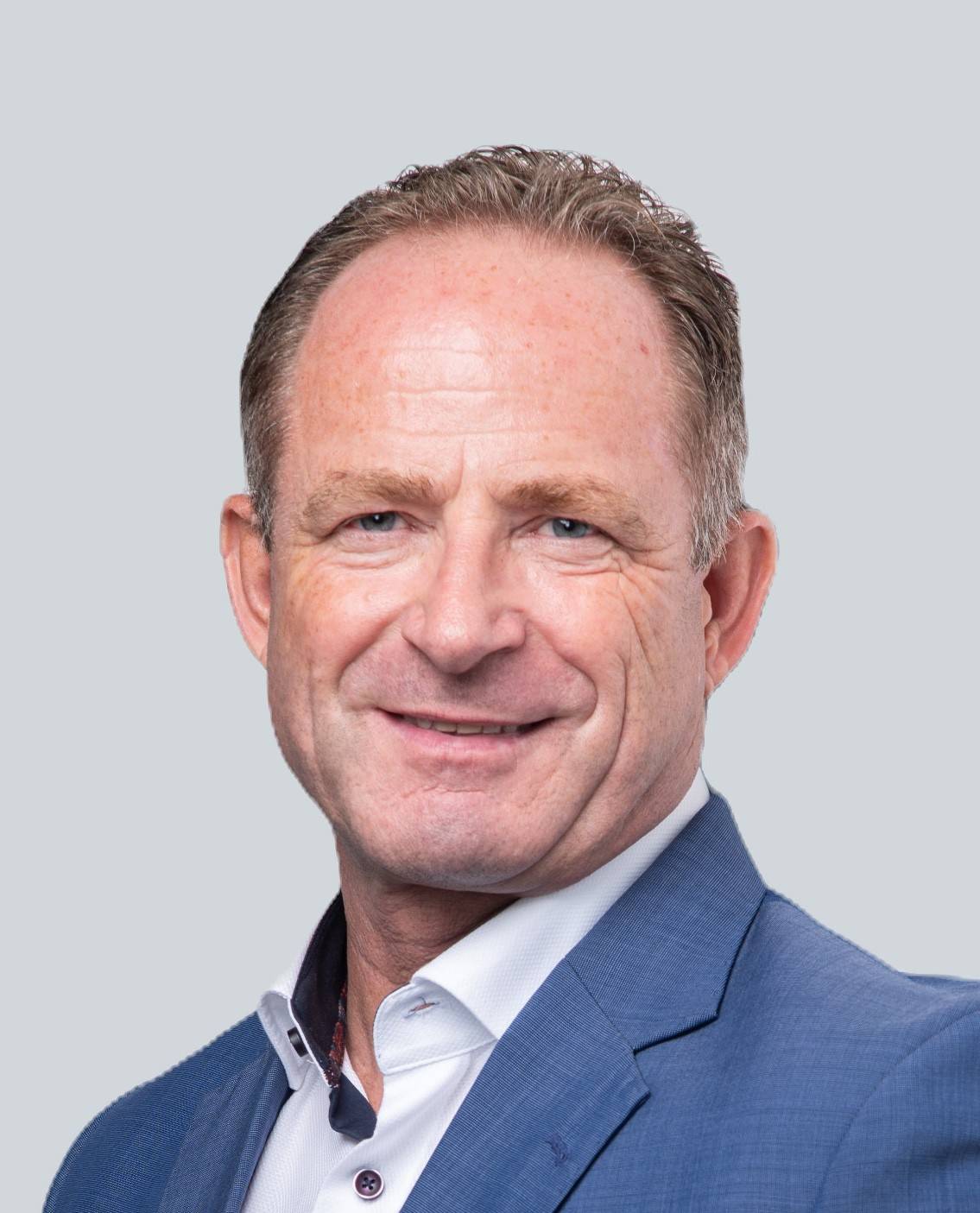
Baumgartner also highlighted the importance of engagement between business councils and government entities, including collaboration with the Ministry of Foreign Trade. This interaction reinforces openness and responsiveness, contributing to a sense of shared purpose among stakeholders.
Business continuity
Across various sectors, business councils reported that companies in Dubai have demonstrated strong adaptability in response to global challenges. From logistics and construction to retail and tourism, businesses have implemented strategies such as digital transformation, scenario planning, and enhanced delivery services to maintain operations.
Evangeline Monjardin, Chairwoman of the Philippine Business Council, noted that Dubai’s regulatory framework and institutional support enable businesses to anticipate risks and respond effectively to disruptions. Close coordination between government authorities and the private sector ensures that companies receive timely guidance and support.
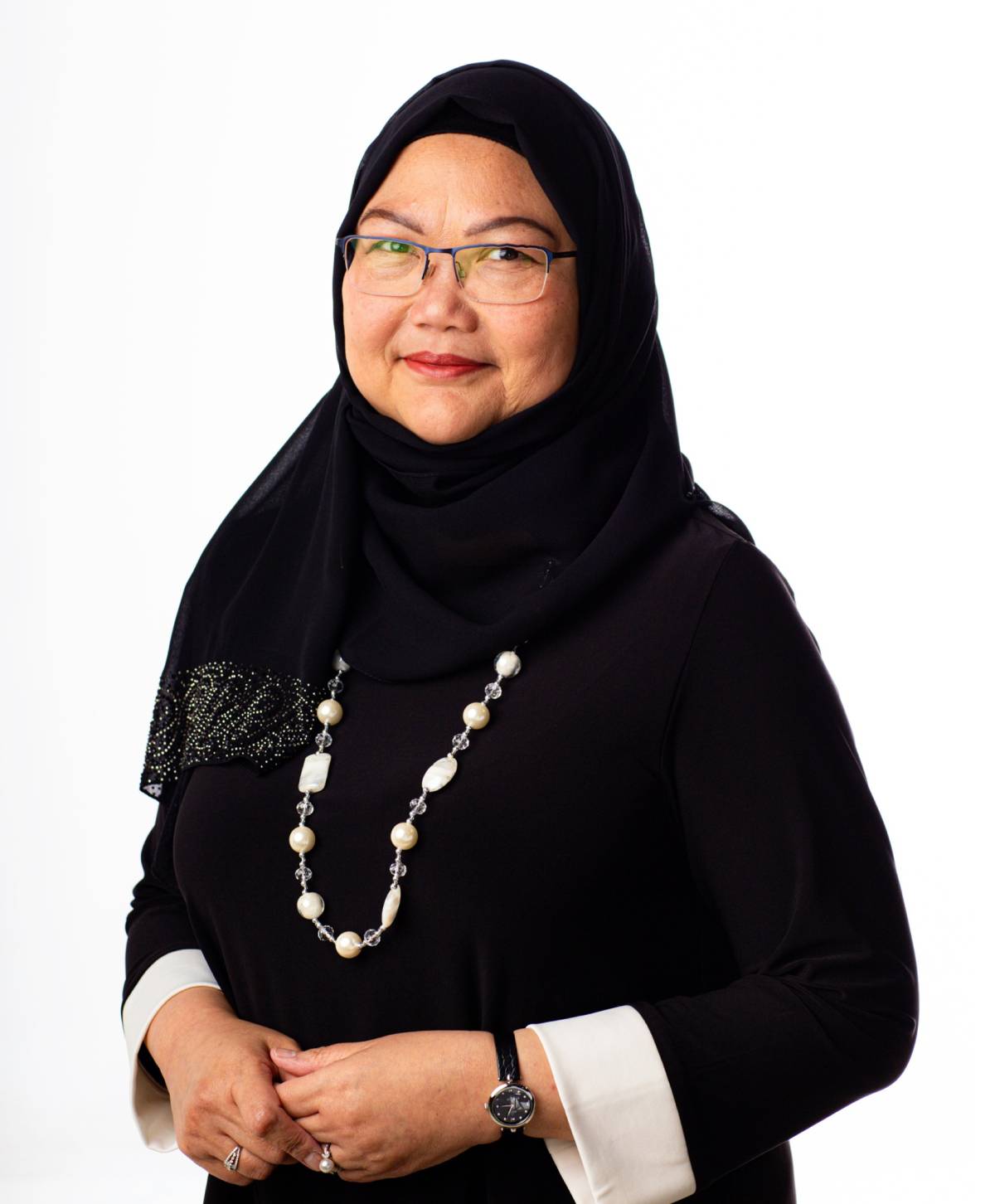
This collaborative approach helps maintain business continuity, protect jobs, and sustain economic activity across sectors. It also reinforces Dubai’s reputation as a stable and supportive environment for enterprises of all sizes.
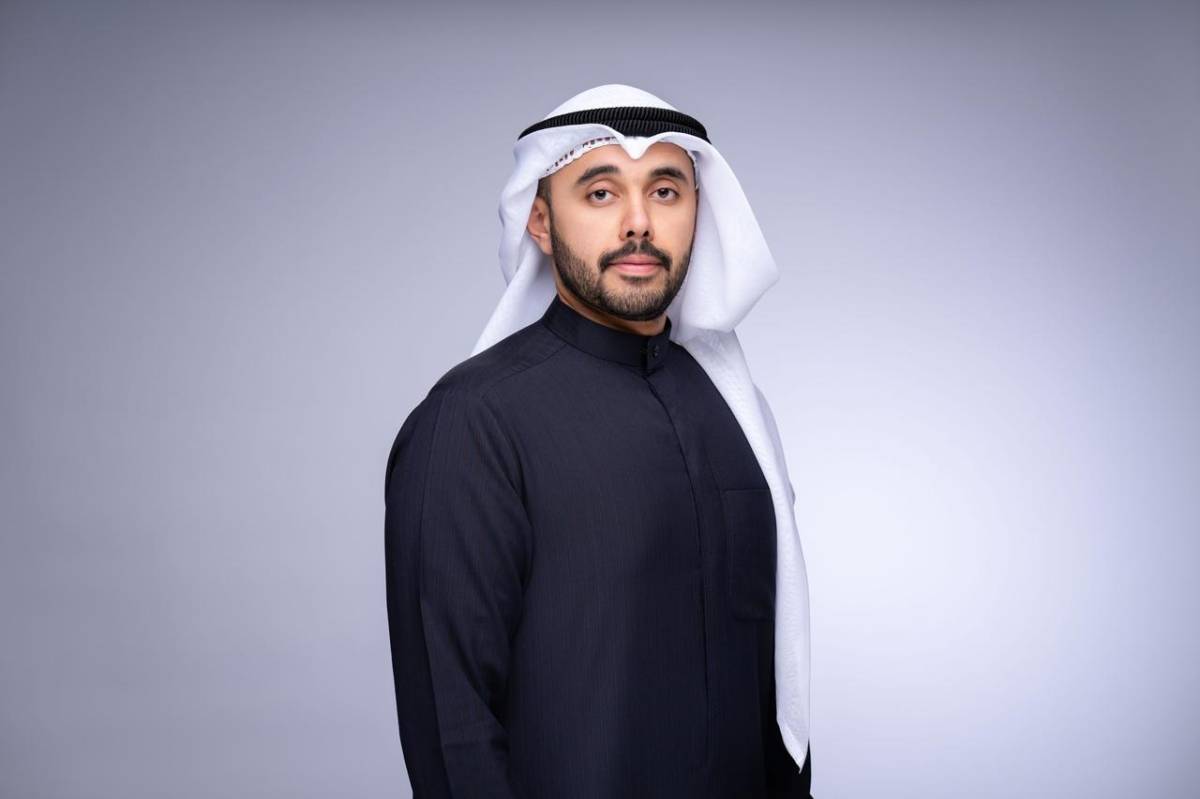
Dr. Feras Adel Alsalem, Chairman of the Kuwait Business Council, highlighted the importance of public-private partnerships in preserving economic resilience. He noted that initiatives by Dubai Chambers to engage with investors and address logistical challenges demonstrate the emirate’s commitment to supporting the business community.
Resilient model
Long-term observers of Dubai’s growth trajectory emphasised the emirate’s consistent ability to adapt, recalibrate, and emerge stronger from global challenges.
Suren Swaminathan, Chairman of the Sri Lankan Business Council, highlighted Dubai’s openness to global trade and its embrace of cultural diversity as key strengths. With residents from more than 200 nationalities, the emirate offers a unique environment that fosters innovation, collaboration, and economic participation.
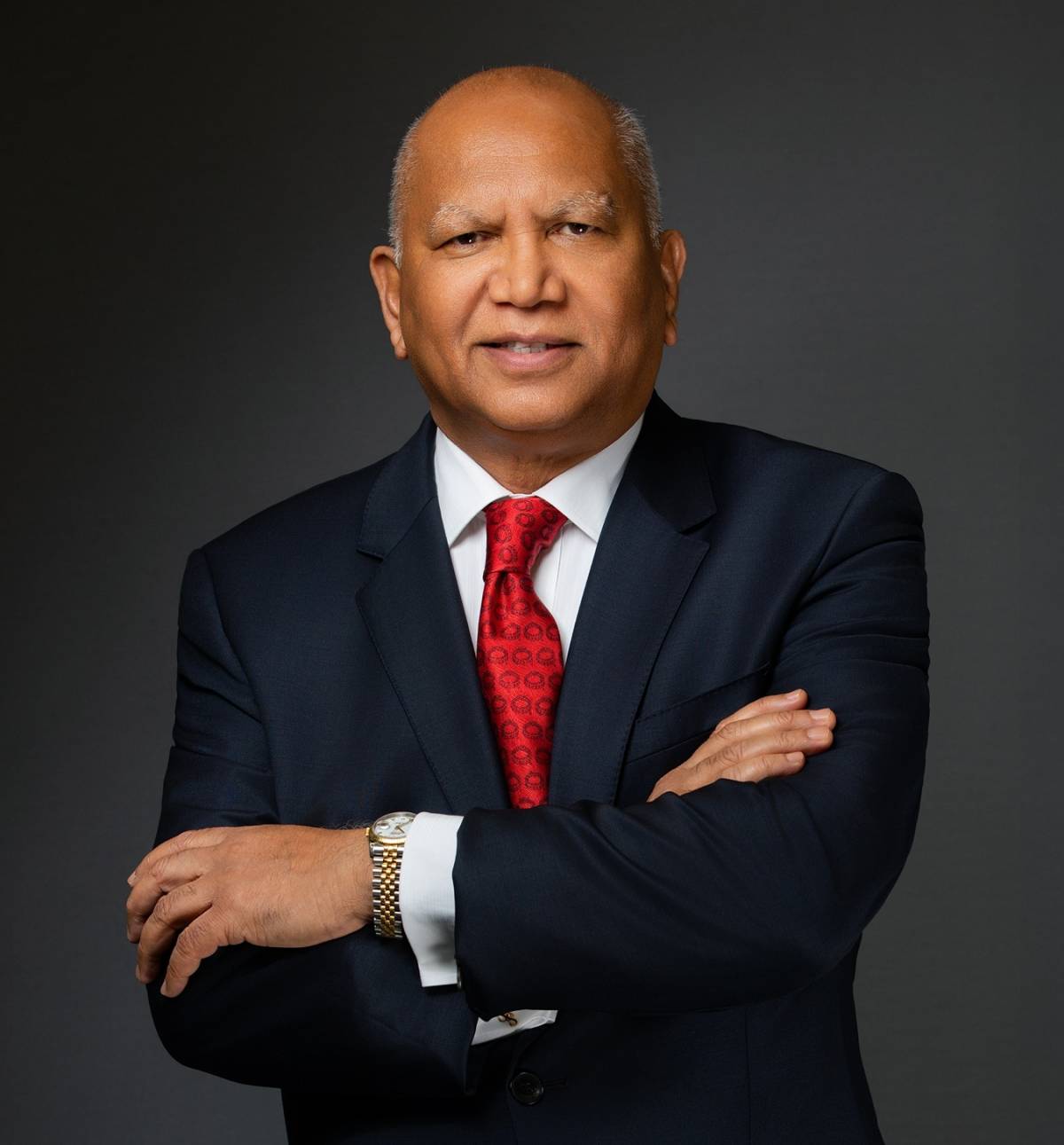
He noted that Dubai’s leadership not only responds to challenges but also identifies opportunities within them, enabling the emirate to maintain momentum even during periods of uncertainty.
Muhammad Shabbir, Chairman of the Pakistan Business Council, reinforced this view, stating that Dubai’s diversified economic structure and proactive policy framework continue to support sustainable growth. He emphasised that strong alignment between the government and private sector creates a supportive ecosystem for businesses and investors.
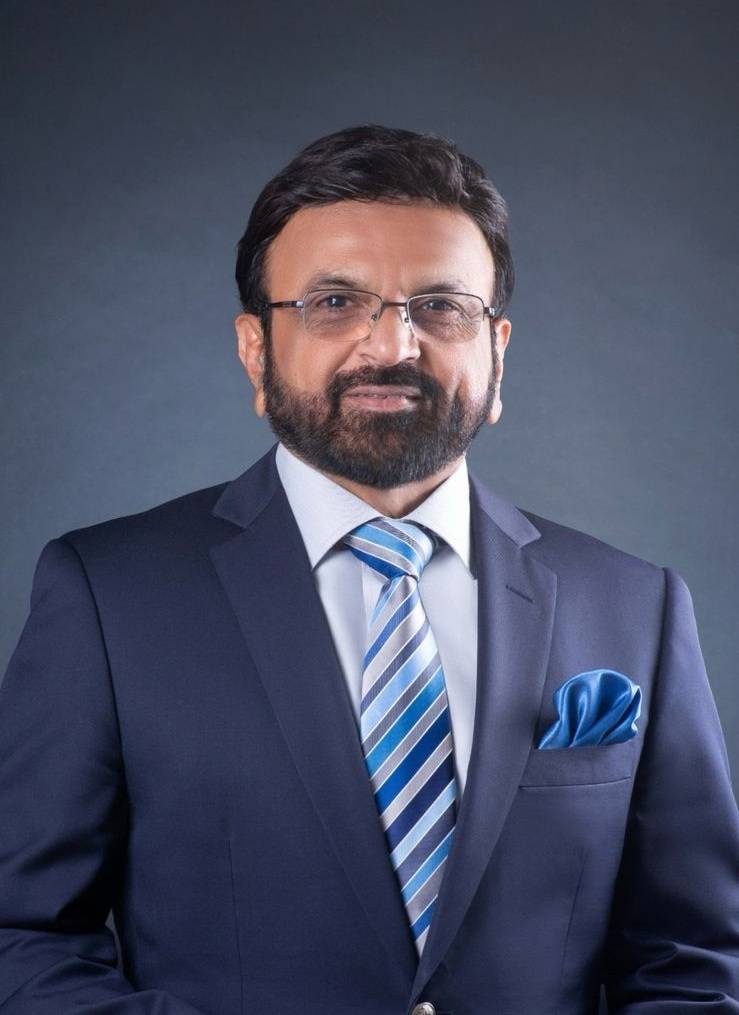
Shabbir added that ongoing engagement with entrepreneurs and stakeholders highlights the effectiveness of Dubai’s approach in fostering innovation and economic expansion. This alignment strengthens confidence in the emirate’s ability to navigate global developments while maintaining its position as a leading global hub for trade, tourism, finance, and innovation.